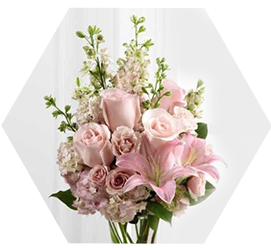
Tring Park wedding flowers local guide
Posted on 18/09/2026
Planning wedding flowers for Tring Park can feel wonderfully exciting and slightly overwhelming at the same time. You know the overall vision matters, but the details matter too: which flowers hold up in the day, how to match the setting, what to order first, and how to avoid last-minute stress. This Tring Park wedding flowers local guide brings all of that together in one practical, easy-to-follow place.
Whether you are drawing up a mood board for a summer ceremony, comparing bouquet styles, or trying to decide what works best for a marquee, country house, or intimate local celebration, the aim here is simple: help you make better floral decisions with less guesswork. Let's make it feel manageable. Even enjoyable, if we're being honest.
From choosing seasonal blooms to understanding what to ask a florist, this guide walks through the whole process with a local, real-world lens. You will find planning advice, practical comparisons, common mistakes, a useful checklist, and answers to the questions couples ask most often.
Why Tring Park wedding flowers local guide Matters
Tring Park sits in a part of Hertfordshire where people tend to care about setting, season, and atmosphere. That matters because wedding flowers are not just decorative extras. They frame the ceremony, guide the colour palette, tie the venue to the day, and often appear in nearly every photo you will keep. A bouquet in the wrong scale or a centrepiece that looks lovely in the shop but too small on the table can quietly throw off the whole feel.
Local guidance helps because weddings around Tring often need a balance of elegance and practicality. You may be dealing with church schedules, venue access times, narrow setup windows, or a mix of indoor and outdoor spaces that change the way flowers should be chosen and installed. In our experience, that local context saves more stress than any trend-led Pinterest board ever will.
There is also the matter of timing. Flower availability shifts by season, weather, and sourcing. A florist who understands local wedding timelines can steer you toward stems that look beautiful and behave well on the day. That is especially useful if your wedding falls in a warm spell, or if you want a spring look without leaning on flowers that are simply awkward to source at that time.
Truth be told, many couples start with the bouquet and then try to build the rest around it. That can work, but it is not always the smartest route. The better approach is to think about the full floral story first: ceremony, bridal party, reception, buttonholes, and any meaningful extras such as gift bouquets or thank-you flowers. The result feels more coherent, and less like three different weddings happened in one room.
Expert summary: The best Tring Park wedding flowers are not the fanciest ones on paper; they are the blooms that suit your venue, season, budget, and setup window without making the day harder than it needs to be.
How Tring Park wedding flowers local guide Works
A local wedding flower plan usually starts with the big picture and narrows down into the details. That sounds obvious, but couples often do it the other way around and end up with expensive flowers that do not fully fit the day. The process is cleaner when you begin with the wedding style, then the colour story, then the flower types, and finally the exact arrangements.
For a Tring Park wedding, this typically means thinking about the venue atmosphere first. Is the day formal and classic, relaxed and countryside-inspired, or somewhere in between? Are you aiming for soft whites and greens, romantic blush tones, or something brighter and more seasonal? Once that direction is set, a florist can suggest bouquet shapes, stem combinations, and practical substitution options if a specific bloom is not ideal for the date.
The local element matters because flower choices are shaped by access and logistics too. If collection or delivery windows are tight, a florist may recommend designs that travel well and stay fresh. If the ceremony and reception are in different spots, smaller and more portable arrangements can reduce movement stress. Small detail, big difference.
It also helps to understand the main floral categories. A wedding flower order often includes:
- the bridal bouquet
- bridesmaid bouquets
- buttonholes or boutonnieres
- ceremony arrangements
- table centres or wedding table arrangements
- installations, garlands, or statement pieces
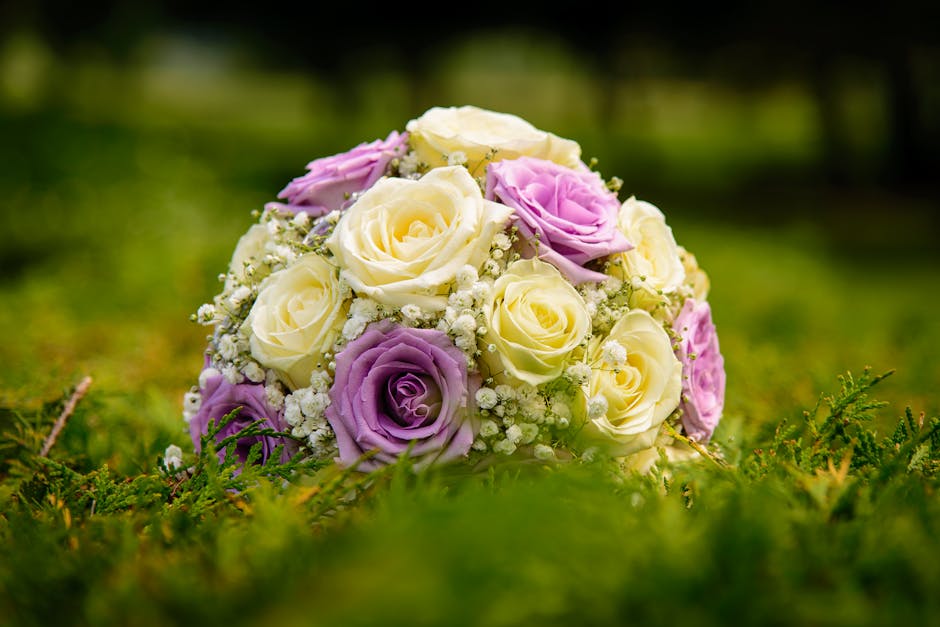
If you are comparing options, pages such as bridal bouquet designs, bridesmaid bouquets, and buttonholes are useful starting points for seeing how the pieces fit together.
It is worth saying plainly that not every wedding needs a large floral budget. A thoughtful selection of fewer, better-placed arrangements can sometimes feel more polished than an all-out floral overload. That is not a compromise. It is design.
Key Benefits and Practical Advantages
Working through wedding flowers with a local lens brings a few real advantages, and not just in theory. First, you get better alignment between the flowers and the setting. Tring Park weddings often benefit from arrangements that feel elegant without looking too heavy. Soft movement, natural texture, and seasonal stems usually work well because they echo the surrounding greenery and open-air feel.
Second, local guidance helps with practical planning. Florists who know the area are more likely to understand typical access issues, setup timing, and how to keep delicate flowers looking fresh through the ceremony and reception. That may sound behind-the-scenes, but it is exactly the kind of thing that stops the day from becoming a scramble.
Third, you can usually make smarter budget choices. Flowers are one of those wedding elements where the visual impact depends less on spending more and more, and more on placing the right blooms in the right spots. A well-chosen bouquet, a few well-styled tables, and one or two stronger focal arrangements can do a lot of the heavy lifting.
There is also a creative benefit. Once you know what actually works locally, you can build a floral scheme that feels personal rather than generic. If you like crisp whites, garden-style mixing, or romantic colour layering, those preferences can be translated into arrangements that suit the venue instead of fighting it.
- Better seasonal fit: fewer compromises and more natural-looking arrangements
- Smoother logistics: easier delivery, setup, and handling
- Improved budget control: spend where the impact is strongest
- Stronger visual coherence: bouquet, tables, and ceremony all feel connected
- Less stress on the day: because the plan already fits the venue reality
You will notice the difference most when the floral scheme is simple but intentional. Simple is not plain. Simple can be polished, warm, and quietly memorable.
Who This Is For and When It Makes Sense
This guide is for couples planning a Tring Park wedding who want flowers that look beautiful, suit the location, and arrive without drama. It is especially useful if you are:
- choosing flowers for a first-time wedding plan
- comparing ready-made wedding collections and bespoke ideas
- working to a clear budget but still want a refined finish
- trying to coordinate multiple floral pieces across the day
- planning around seasonal blooms and practical delivery windows
It also makes sense if you are the person in the wedding party fielding the questions. You know the one. Suddenly everyone wants to know the colour palette, the boutonniere count, and whether the table flowers can be reused after the ceremony. A sensible flower plan answers those questions before they turn into messages at 10:47 pm.
The guide is particularly helpful for:
1. Couples who want a coherent aesthetic. If your wedding style has to feel pulled together from entrance to reception, flower choices are one of the fastest ways to get there.
2. Couples balancing taste and practicality. Some flowers are beautiful but fragile. Others last better but need careful styling to avoid looking too plain. Knowing the difference matters.
3. Couples booking close to the date. When time is short, your florist may need to work with available stems and shorter lead times. A local guide makes those conversations easier.
4. Couples ordering wedding flowers alongside gift flowers. If you are also looking for thank-you arrangements or a bouquet for a family member, related pages like flower delivery in Tring and send flowers in Tring can help with non-wedding gifting needs.
Step-by-Step Guidance
1. Start with the venue and the day's layout
Before choosing a single stem, map out where flowers will actually be seen. Ceremony entrance, aisle, registrar table, top table, guest tables, photo spots, and any welcome area all matter. A flower plan that ignores layout can end up putting budget into places guests barely notice.
Ask yourself: where do we want the first "wow" moment? If the answer is the ceremony, invest there. If it is the reception room, put more effort into centrepieces and table arrangements.
2. Decide on the mood, not just the colour
Colour is important, but mood is what people feel. Romantic, airy, formal, wild, understated, timeless, modern - those words guide better floral decisions than "pink and white" alone. Two arrangements can share a palette and still look completely different because one is loose and garden-like while the other is structured and crisp.
3. Choose flowers that suit the season
Seasonal flowers generally look more natural and are easier to work with. For spring, think soft, fresh, and light. Summer often allows fuller, more open shapes. Autumn leans toward richer tones and texture. Winter can be very elegant with whites, greens, and deeper accent shades. A good florist will usually suggest alternatives if your dream flower is not practical for the date.
4. Build the bouquet before the extras
The bridal bouquet sets the tone. Then you can shape the bridesmaid bouquets, buttonholes, and table flowers around it. That way everything feels related without becoming identical. Too much matching can look flat, to be fair. A little variation keeps the design alive.
5. Confirm quantities and practical reuse
One of the easiest ways to stretch your floral budget is to plan re-use. Ceremony arrangements can sometimes move to the reception, and smaller designs can be repurposed for gift tables or welcome areas. Just make sure this is planned in advance, so nobody is carrying arrangements around in a panic between speeches.
6. Lock in timing and delivery details
Ask when flowers will be delivered, who receives them, and how long setup will take. For weddings, the "small" logistics are often the difference between calm and chaos. Delivery times, temperature, and venue access are not glamorous topics, but they are incredibly useful.
7. Keep a final written summary
At the end, you want one clear summary covering style, quantities, colours, flower types, delivery, setup, and point of contact. If you have that, you are in good shape.
Expert Tips for Better Results
Here is the honest version: the best wedding flowers usually come from clear direction, realistic expectations, and a florist who understands how to balance beauty with logistics. That balance is everything.
Tip 1: Prioritise scale. A bouquet should suit the height and shape of the person carrying it. Table arrangements should suit the table size and guest sightlines. Too tall, and people crane their necks. Too low, and the flowers get lost. Neither is ideal.
Tip 2: Use texture as well as colour. Mixing roses with softer fillers, textured greens, or more structured focal blooms creates depth. This is one of the easiest ways to make a design feel more expensive without simply making it bigger.
Tip 3: Plan for photography. Wedding photos catch details you might not notice in the room. A bouquet can look lovely head-on and awkward from the side. Buttonholes can disappear against dark suits if the contrast is too low. Ask your florist to think like a photographer for a minute.
Tip 4: Keep one clear focal point. If everything is shouting for attention, nothing wins. It might be the bouquet, the ceremony arch, or the table centrepieces. Pick one strong visual star and let the rest support it.
Tip 5: Be realistic about flower durability. Some blooms are more delicate in warmth or direct sun. If your day involves time outside, transport between locations, or a long wait before the reception, choose flowers that hold their shape well.
Tip 6: Stay open to substitutions. This is one of those boring bits that saves the day. If a florist explains that a specific flower may need replacing with a similar seasonal stem, that is not a downgrade by default. Often the final arrangement is better for it.
And yes, sometimes the flowers you fall in love with on a mood board are not the flowers that will behave nicely on the day. Weddings are charming like that.
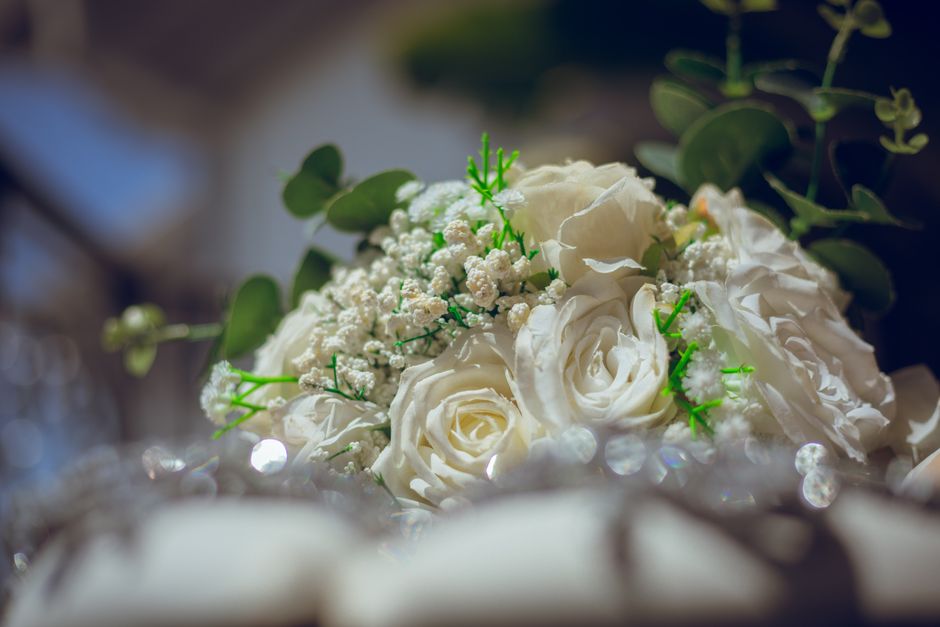
Common Mistakes to Avoid
Most wedding flower mistakes are preventable. They usually happen when decisions are made too quickly or without enough detail. The good news? Once you know the traps, they are easy enough to sidestep.
- Ordering without a full venue plan: lovely flowers, wrong scale
- Ignoring seasonality: the design may become more expensive or harder to source
- Forgetting buttonholes and bridesmaid flowers: the wedding ends up visually unbalanced
- Choosing too many competing colours: the scheme can feel busy rather than elegant
- Skipping a written summary: small details get lost in memory
- Overfilling the budget with one statement item: leaves too little for the rest of the day
- Not checking delivery windows: this can create avoidable stress on the morning
A subtle but common issue is trying to match every flower exactly to every other flower. Oddly enough, perfection can look a bit stiff. Natural variation, when handled well, tends to read as more luxurious and more believable.
Another mistake is overlooking how flowers age across the day. Bouquets start crisp, then loosen. Tables get warmer. Buttonholes need staying power. The day is long, and your flowers need to survive the full story, not just the first hour.
Tools, Resources and Recommendations
You do not need a huge toolkit, but a few sensible resources make planning much easier. If you are organising the wedding yourself, keep everything in one place: inspiration images, notes, timings, guest counts, and any venue instructions.
Useful things to have ready:
- a colour palette or mood board
- a rough venue floor plan
- guest table count
- a list of people needing buttonholes or bouquets
- the ceremony and reception timetable
- notes on delivery access and contact details
For product inspiration, these category pages can help you think through style and format in a more practical way:
- wedding flowers collection
- bridal bouquets
- bridesmaid bouquets
- table arrangements
- wedding corsages
If you are also thinking about broader flower ordering needs around the same time, pages like local flower shops in Tring, flower care guidance, and delivery information can be useful for planning and keeping arrangements fresh.
One more practical recommendation: ask for flower names in plain English, not just romantic bouquet names. It helps when you are comparing options and trying to understand what is actually included. A well-named bouquet is lovely. A clear flower list is better.
Law, Compliance, Standards, or Best Practice
For wedding flowers, there usually is not a heavy compliance burden in the way there might be for catering or venue licensing. Still, good practice matters. A florist should work with clear order details, fair consumer terms, and sensible delivery arrangements. If you are buying online, it is wise to read the business terms, refunds information, and payment details before placing a wedding order, especially if you are paying a deposit or booking close to the date.
Practical best practice for couples includes:
- checking exactly what is included in the order
- confirming replacement policies for unavailable flowers
- saving all written communication
- asking about delivery and setup responsibility
- reviewing cancellation and refund terms before paying
In UK wedding planning, clarity is your friend. If something matters on the day, write it down. That includes delivery times, contact numbers, access notes, and any venue rules about setup or positioning. Venues may have their own practical limitations, and florists usually appreciate being told early rather than late.
You can also review helpful site information such as terms and conditions, returns and refunds, payment, and guarantees to understand what to expect when ordering. That is not the glamorous side of wedding flowers, I know, but it is the bit that gives peace of mind.
Options, Methods, or Comparison Table
Different wedding flower approaches suit different couples. If you are trying to decide between a simple package, a bespoke design, or a more curated collection, this comparison may help.
| Approach | Best for | Strengths | Trade-offs |
|---|---|---|---|
| Ready-made wedding collection | Couples who want a coordinated look quickly | Clear structure, easy to plan, usually less time-consuming | Less room for fine-tuning every detail |
| Bespoke arrangement plan | Couples with a strong personal vision | Most flexible, highly tailored to venue and palette | Needs more decisions and communication |
| Hybrid approach | Couples who want control without complexity | Good balance of convenience and custom style | Requires a clear brief to avoid mismatched elements |
| Minimal floral scheme | Smaller weddings or tighter budgets | Elegant, practical, easier to manage | Less visual coverage across the venue |
If you are unsure, a hybrid approach is often the easiest place to start. You can keep the bouquet and key pieces more specific, then let the florist guide the rest. That way you keep personality without turning the process into a full-time job.
Case Study or Real-World Example
Here is a realistic planning scenario, based on the sort of wedding brief florists often see. A couple planning a late-spring Tring Park celebration wants soft romantic flowers, but they are nervous about over-ordering. They have a ceremony with a handful of close family, followed by a reception with several tables and a short turnaround between the two parts of the day.
Instead of spreading the budget thinly across every possible floral touchpoint, they choose a defined plan: a standout bridal bouquet, smaller bridesmaid bouquets, simple but elegant buttonholes, and a handful of table arrangements that can be repositioned later. They also select flowers that feel lush without needing highly delicate handling.
What happens in practice? The ceremony space feels intentional because the bouquet and front arrangements carry the visual mood. The reception carries that same feeling because the table designs echo the bouquet colours rather than introducing new ones. Nothing looks overdone, and nothing feels forgotten. Nice and tidy. The best kind of tidy, really.
The key lesson is that thoughtful restraint often outperforms "more flowers" thinking. If a plan is shaped around the venue, timing, and guest flow, the result looks confident. Not busy. Not fussy. Confident.
Practical Checklist
Use this checklist when you are finalising your wedding flower plan:
- Have you defined the overall wedding mood?
- Have you chosen a clear colour palette?
- Do you know which flowers are in season or realistic for your date?
- Have you listed every floral item needed, including buttonholes and corsages?
- Do you know where each arrangement will be placed?
- Have you checked delivery timings and venue access?
- Have you planned whether any arrangements will be reused?
- Do you have a written summary of the order?
- Have you reviewed payment, refund, and guarantee information?
- Do you know who to contact on the day if something changes?
If you can answer yes to most of those, you are in a strong place. If not, do not worry. A wedding flower plan is one of those things that becomes much easier once it is written down properly.
Conclusion
Choosing wedding flowers for Tring Park is really about finding the balance between beauty and practicality. You want blooms that suit the venue, hold their shape through the day, and make the whole celebration feel considered rather than crowded. Once you understand how the setting, season, and logistics work together, the rest becomes much easier.
Keep the plan simple where it can be simple. Keep it personal where it matters. And keep asking the practical questions early, because that is where the stress disappears.
If you are ready to turn ideas into something beautiful, the next step is to compare styles, check what suits your date, and choose arrangements that feel right for the day you are actually planning - not the imaginary perfect one. And honestly, that real-world version is usually the loveliest one.
Get a free quote today and see how much you can save.
Frequently Asked Questions
What flowers are best for a Tring Park wedding?
The best flowers are usually the ones that fit your season, colour palette, and venue style. Soft roses, lisianthus, lilies, hydrangea, alstroemeria, and textured seasonal stems are popular choices because they can be styled in both classic and natural ways.
How far in advance should I book wedding flowers?
As early as you can, especially if your date is during a busy wedding season. Booking early gives you more choice, more time to refine the design, and less pressure if you want a specific flower or colour palette.
Can I keep wedding flowers simple and still make them look elegant?
Absolutely. A simple scheme with the right scale, colour balance, and placement can look more elegant than a crowded design. The trick is to focus on a few strong floral moments instead of trying to fill every corner.
How do I choose between bespoke and ready-made wedding flower designs?
Choose bespoke if you want a highly personal look and are happy to make more decisions. Choose a ready-made or curated option if you want something coordinated and easier to organise. A hybrid approach often works well for couples who want a bit of both.
What should be included in a wedding flower quote?
A good quote should clearly list the flower items, quantities, colours or style notes, delivery details, setup responsibilities, and any replacement or substitution terms. If anything is vague, ask for it in writing.
Are seasonal flowers really better for weddings?
Usually, yes. Seasonal flowers tend to be easier to source, often look more natural, and may offer better value. They also reduce the chance that your florist has to make awkward substitutions at the last minute.
Do I need flowers for both the ceremony and reception?
Not necessarily. Some couples focus on the ceremony and bridal party, while others put more into the reception. If budget matters, choose the areas guests will notice most and look for ways to reuse arrangements between spaces.
What are the most common wedding flower mistakes?
The most common mistakes are poor scaling, ignoring seasonality, forgetting smaller floral items like buttonholes, and not confirming delivery or setup details. Those issues are easy to avoid with a clear written plan.
How do I make sure my flowers match my wedding photos?
Think about contrast, scale, and lighting. Pale flowers can disappear against pale dresses or table linen if the composition is too flat. A florist who understands photography will usually help you balance the shapes and tones more effectively.
Can I use wedding flowers for other occasions after the wedding?
Yes, some arrangements can be repurposed or gifted after the event if they are still in good condition. Smaller table arrangements may be easier to move or rehome than larger installation pieces.
What if a specific flower I want is unavailable?
A good florist should offer a suitable alternative that keeps the overall look intact. This happens more often than people think, so it helps to stay open-minded about substitute stems that deliver a similar feel.
Is it worth asking about flower care on the day?
Definitely. Even a beautiful bouquet needs sensible handling, especially if there is travel between locations or warm weather. Ask how the flowers should be stored, handled, and transported so they stay at their best for longer.